Canada — Housing & Design

The Tiny Home Movement in Canada

From zoning amendments in British Columbia to purpose-built communities in Ontario, Canada's approach to small-footprint living is reshaping how municipalities think about housing density and affordability.

A tiny house representative of the modern small-home movement

Perspectives on Small-Scale Living

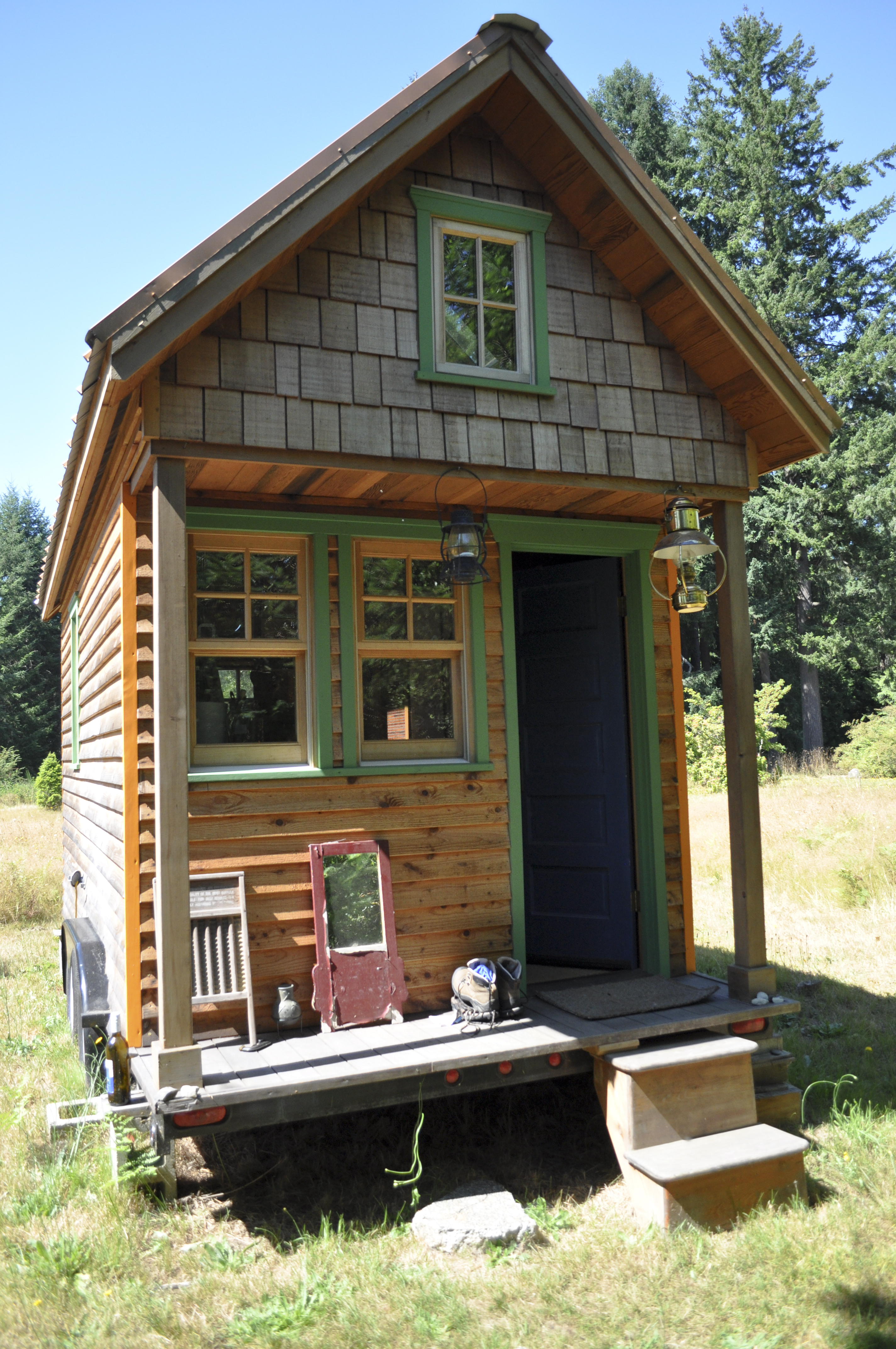
A tiny mobile house representing zoning and regulatory challenges
Zoning & Policy

Navigating Zoning Regulations for Tiny Homes in Canadian Municipalities

Canada's planning codes were designed with conventional housing in mind. How provinces and cities are reworking the rules to accommodate structures under 37 square metres.

Read article →
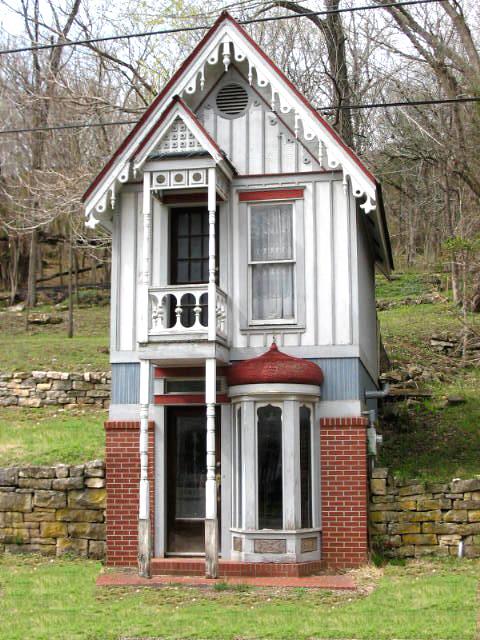
A small house showcasing minimalist architectural design
Design

Minimalist Design Principles Shaping Canada's Tiny Home Builds

What separates a cramped space from a functional small home is largely a design decision. An examination of the principles guiding Canada's builders and architects.

Read article →
A small residential structure in a rural setting
Communities

Tiny Home Villages and Planned Communities Across Canada

Shared-land models and intentional communities are providing practical frameworks for tiny home living where individual rural plots are neither accessible nor affordable.

Read article →

Why Tiny Homes Are a Distinct Housing Category

Tiny homes are generally defined as dwellings under 37 square metres (roughly 400 square feet), though the threshold varies by jurisdiction. The category includes structures built on permanent foundations, accessory dwelling units attached to existing properties, and houses constructed on towable trailers registered under vehicle codes.

Each type faces its own regulatory pathway in Canada. Foundation-built units typically fall under residential zoning, while trailer-mounted homes are often classified as recreational vehicles, placing them outside standard housing legislation. This distinction matters enormously for financing, utility connections, and long-term land tenure.

A Housing Conversation Shaped by Affordability

The uptick in interest around tiny homes in Canada tracks closely with rising housing costs in major urban centres. Municipalities facing pressure to increase housing supply without compromising neighbourhood character have, in some cases, turned to accessory dwelling units and secondary suites as a pragmatic middle ground.

The Canadian Mortgage and Housing Corporation (CMHC) has published research on secondary suites and garden suites as tools for gentle densification. These are not tiny homes in the aesthetic sense, but they occupy much of the same regulatory and policy space that tiny home advocates navigate.